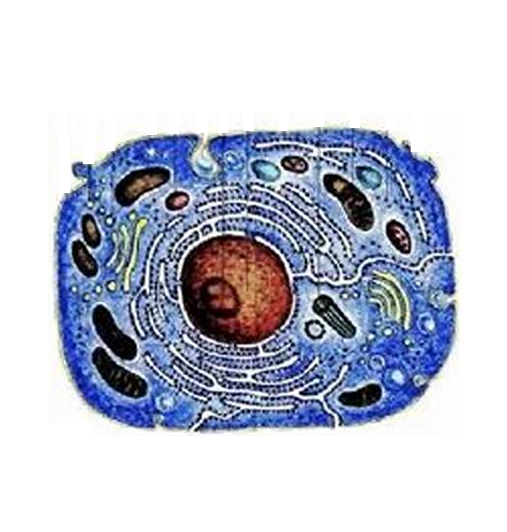
Cellular tissue dysfunction as a reflection of pathology.
Modern medicine is gradually moving away from narrow
nosological classifications, moving towards a systemic analysis of pathological
conditions. One of such universal concepts is cellular and tissue dysfunction -
a fundamental process that unites many diseases at the level of
pathophysiology. This term describes the disruption of the normal functioning
of cells and tissues that occurs under the influence of various factors:
inflammation, ischemia, intoxication, age-related changes, autoimmune
reactions, tuberculosis, oncological processes and other damaging effects.
Cellular tissue dysfunction— is a
pathological condition in which the functions of cells and tissues are
disrupted due to three types of disorders:
1.
structural,
2.
metabolic
3.
functional
These changes can be caused by various factors: specific and
non-specific inflammatory processes, ischemia, intoxication, aging, autoimmune
reactions or other damaging effects.
But how do these cellular disturbances manifest
themselves at the level of the whole organism? Can they be used to predict or
even prevent the development of diseases? The answer lies in the analysis of
fundamental pathophysiological processes and their reflection in biomarkers,
such as electrocardiogram (ECG) parameters, which are reflected in the
indicators of the analysis of the language of the heart.
Widespread use of the concept
In a broad sense, “cellular tissue dysfunction” can be
used:
1. In pathophysiology— to describe
the mechanisms of various diseases, including degenerative, inflammatory,
oncological and autoimmune processes.
2. In medicine and diagnostics— as a concept explaining the development of symptoms, such as
neurodegeneration in Alzheimer's disease or endothelial dysfunction in
cardiovascular diseases.
3. In gerontology— to indicate
age-related changes in cells and tissues that lead to a gradual decline in body
functions.
4. In regenerative medicine— as a
key concept that determines the need for cell therapy, genetic engineering or
tissue engineering to restore lost functions.
5. In sports medicine and rehabilitation- when assessing the consequences of injuries and stress that can lead
to disruption of metabolism and tissue regeneration.
6. In ecology and toxicology— to describe the effects of toxic substances on the body, for example,
in chronic heavy metal poisoning.
The term can be used for systemic analysis and
diagnosis of disorders associated with cell and tissue function in various
medical and biological contexts.
Cellular tissue dysfunction: what is it and how does
it manifest itself?
In a broad sense, cellular tissue dysfunction involves
several key mechanisms:
1. Change in cellular activity- atypical growth, metabolic disorders, accumulation of damaging factors
and chronic inflammation.
2. Violation of intercellularinteractions - for example, the formation of pathological connections
between tissues during the adhesion process.
3. Destructive and degenerative changes— as in the tuberculosis process or dysplasia, when cells lose their
normal architecture.
4. Accumulation of neutral substances - which can
initiate the phenomenon of carcinogenesis with subsequent development of a
malignant process with supercritical accumulation of neutral substances and
continued flow of carcinogens into the lesion.
These processes are united by the fact that they
disrupt normal tissue homeostasis and lead to the development of chronic
diseases. For example, in cardiology, dysfunction of the endothelium (the inner
layer of blood vessels) is an early marker of atherosclerosis and
cardiovascular catastrophes.
How to understand cellular and tissue dysfunction in
the language of the heart?
The cardiovascular system is one of the first to react
to metabolic and regulatory disorders at the cellular level. It is here that
early manifestations of cellular and tissue dysfunction can be observed,
expressed in changes in the nature of regional blood flow and changes in
rhythm.
Electrocardiogram (ECG) analysis allows us to evaluate
these changes in real time. At the Language of the Heart Association, we are
developing a diagnostic method based on the analytical processing of ECG
intervals and amplitudes, which allows us to identify patterns corresponding to
various types of cellular and tissue dysfunctions.
Why is it important to take into account the specifics
of the pathophysiological process?
Although the term "cellular tissue
dysfunction" is useful for generalization, it requires clarification. For
example:
• “Cellular tissue dysfunction in the tuberculosis
process” includes inflammatory, immune and metabolic changes.
• “Dysplasia as a form of cellular and tissue
dysfunction” covers changes in the organization and mutual arrangement of
cellular structures.
• “Chronic inflammation as a factor of cellular and
tissue dysfunction” is associated with the activation of the immune response.
The term “cellular tissue dysfunction” is valid, but
it is better to supplement it with an indication of the specificity of the
pathophysiological process. For example:
“Cellular tissue dysfunction in the tuberculosis
process” – this will more broadly reveal the various mechanisms of the
disorder.
In the Association, the language of the Heart
determines the values of cellular and tissue dysfunction based on the
analytical processing of ECG intervals and amplitudes. The specificity of the
pathophysiological process can be indirectly determined when determining the
specificity of regional blood flow corresponding to a particular nosological
process or disease. Research within the Association has shown that markers of
cellular and tissue dysfunction, as well as their number and degree of
manifestation, can be a significant indication of the development of an
unfavorable process in the body.
Conclusions
Cellular tissue dysfunction is a key concept in
pathophysiology that encompasses a wide range of diseases. The development of
methods for analyzing the language of the heart allows us to identify these
disorders at early stages using ECG parameters and blood circulation analysis.
This approach opens up new horizons in predicting and diagnosing pathologies,
as well as in personalized health practices.