Cleansing of blood vessels: myths and reality.
Objective information on the topic of cleaning blood
vessels.
In search of ways to improve the
condition of their blood vessels, many people turn to various methods, hoping
for “miracle” droppers or special products that promise to “cleanse” the blood
vessels. However, according to medical practitioners and experts in this
matter, these methods are not only outdated, but can also be hazardous to
health. Let's figure out why "cleaning" blood vessels using IVs is a
myth and how to actually maintain healthy blood vessels.
Not ordinary pipes.
The first thing to become familiar with
is the realization that vessels are not simple pipes. They are complex organs
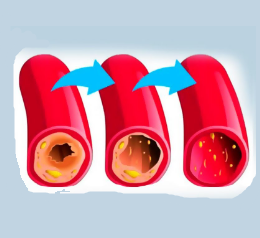
made up of different layers and tissues. A problem called stenotic
atherosclerosis occurs when cholesterol plaque blocks more than 50% of the
lumen of a vessel. Eliminating these plaques requires a comprehensive and
individualized approach.
Normalization of indicators.
The main point to consider to maintain
healthy blood vessels is to maintain normal levels of cholesterol, blood
glucose and blood pressure. This is achieved by maintaining a healthy lifestyle
that includes proper nutrition, physical activity and stress management. If
necessary, doctors may prescribe drug therapy to control these indicators.
The role of IVs.
According to the recommendations of
medical experts, droppers are used only in critical situations when a person is
not able to consume food and liquid. They serve as a means of supporting the
body’s vital functions in extreme conditions and are prescribed only under the
supervision of a doctor.
False reasons for prescribing IVs.
There are a number of misconceptions
about the use of IVs that have no scientific basis. One of these reasons is the
“cleaning” of blood vessels. Experts clearly point out that “cleaning” blood
vessels using IVs is an outdated approach that does not lead to real results.
Instead, regular monitoring of health indicators and proper treatment of
vascular diseases are the basis for maintaining healthy blood vessels.
There are several approaches that can
help improve vascular health and reduce the risk of developing cardiovascular
disease:
Healthy eating:A diet rich in vegetables, fruits, whole grains, fish, nuts and healthy
fats (such as olive oil) can help lower blood cholesterol and support vascular
health.
Physical activity:Regular physical activity, such as walking, running, swimming or cycling,
helps strengthen the heart and blood vessels, increases blood circulation and
promotes overall health.
Control of cholesterol and blood
pressure:Regular monitoring and control of cholesterol and
blood pressure levels are important measures to prevent the accumulation of
cholesterol in the blood vessels and reduce the risk of developing
atherosclerosis.
Complete smoking cessation:Smoking is one of the main risk factors for the development of
cardiovascular diseases and damage to the vascular system. Quitting smoking
completely can significantly improve vascular health and overall health.
Stress management:Chronic stress can have negative effects on the
cardiovascular system. Therefore, it is important to develop stress management
strategies such as regular physical activity, relaxation practices, creating a
positive cardio-mental correlation and beneficial communication with loved
ones.
Substrate support:The expert may prescribe various substrates, herbal complexes, and other
organic components to lower cholesterol levels, control blood pressure and
other risk factors.
It is important
to understand that these approaches are aimed at improving vascular health and
reducing the risk of cardiovascular disease. They are not “miracle remedies”
for instant and complete “cleaning” of blood vessels, but regular adherence to
these recommendations helps maintain healthy blood vessels on a long-term
basis. It is important to consult with an Expert who will help develop an
individual plan for improving and supporting vascular health based on an
assessment of your health reserves and dynamic monitoring. All this is used
within the framework of the Language of the Heart Association